
Port Saint John Logistics Expansion: Unlocking Record-Breaking Cargo and Supply Chain Careers

The economic landscape of southern New Brunswick is experiencing a transformative surge anchored directly by the extraordinary growth and modernization of regional maritime trade corridors. For career-seekers, logistics professionals, and ambitious job hunters mapping their futures in Greater Saint John, understanding current labor market opportunities requires examining the massive operational scaling occurring along the waterfront. Evaluating real-time metrics reveals that Port Saint John has cemented its position as Atlantic Canada's fastest-growing container gateway, generating an unprecedented wave of high-value employment across supply chain management, freight handling, and intermodal transport.

At the heart of this economic momentum is the completion of major infrastructure investments, most notably the multi-phase West Side Modernization project managed in partnership with DP World. Recent annual throughput figures highlight a staggering 29.4% year-over-year increase in container volumes, pushing handling totals to nearly 240,000 twenty-foot equivalent units (TEUs). Over a multi-year span, container handling at the Port has skyrocketed by more than 175%, reflecting a structural shift in how international shipping lines, importers, and exporters utilize Saint John as a reliable, highly efficient gateway into North American markets.
This dramatic scaling of cargo operations has directly rewritten the local employment playbook, creating sustained demand for skilled professionals who can manage complex supply chain networks. Employers across the maritime logistics ecosystem are actively recruiting for specialized roles, including terminal operators, logistics coordinators, inventory control analysts, heavy equipment mechanics, and supply chain managers. Consequently, job seekers who possess technical literacy, safety certifications, and operational expertise find themselves positioned in an exceptionally competitive hiring climate characterized by strong wages and rapid professional mobility.
To meet these intricate technical demands, regional educational institutions have closely synchronized their curricula with the operational needs of modern port logistics. Programs offered through NBCC Saint John provide students with targeted training in industrial mechanics, supply chain administration, and automated systems technology. By aligning classroom instruction with the exact standards required by terminal operators and freight forwarders, these educational tracks eliminate the traditional friction between graduation and full-time employment within the Maritimes' industrial sector.
Similarly, specialized career accelerators like Eastern College Saint John Campus offer intensive diploma pathways in supply chain management, business administration, and computerized logistics coordination. These programs cater effectively to adult learners, career-switchers, and interprovincial movers who need to transition efficiently into resilient regional sectors without enduring multi-year educational delays. Completing these localized certifications signals to marine and rail employers that a candidate possesses both up-to-date administrative skills and a firm understanding of intermodal transportation frameworks.
However, breaking into the port logistics and supply chain sector requires more than just submitting standard online applications; candidates must navigate the practical realities of credential alignment, safety compliance, and professional networking. Navigating these requirements smoothly is greatly enhanced by engaging with regional employment counselors at the WorkingNB Saint John Office. These advisors help candidates identify available skills development grants, map out targeted training paths, and connect directly with hiring managers who value localized operational readiness.
Furthermore, for newcomers and interprovincial transferees adjusting to southern New Brunswick's labor market, integrating into the local industrial community is a critical success factor. Partnering with settlement and integration organizations like YMCA Newcomer Connections ensures that incoming professionals can successfully bridge global credentials, language proficiencies, and cultural expectations to meet the rigorous safety and operational standards demanded by port-adjacent employers.
The broader economic ripple effects of Port Saint John's expansion extend far beyond the marine terminal gates, stimulating growth across regional warehousing, cold-chain distribution, and trucking networks. Recent high-profile industrial developments, such as major import-export cold storage facilities breaking ground in the region, add millions of dollars in capital investment and create hundreds of secondary support jobs. This multi-sector expansion ensures that career opportunities are not limited to waterfront operations, but extend deeply into corporate logistics planning, inventory oversight, and regional distribution management.
Small and medium-sized enterprises (SMEs) supporting the port's supply chain also experience heightened activity, requiring nimble administrative and operational staff to keep pace with accelerated freight volumes. Business leaders frequently collaborate with regional economic development agencies like Envision Saint John to refine their recruitment pipelines, streamline onboarding, and combat voluntary turnover in an aggressive labor market. For job seekers, this means smaller enterprises offer dynamic environments where employees can take on cross-functional responsibilities and accelerate their career trajectories.
The economic urgency for skilled logistics talent is further reinforced by Saint John's tightening housing market and rising cost-of-living adjustments across southern New Brunswick. Securing a stable, high-paying career in maritime transport or industrial supply chain management provides the financial resilience necessary to absorb modern household expenditures and property assessments. Workers who treat their professional development as an ongoing, strategic priority consistently outperform passive applicants in this high-tempo economic climate.
As Port Saint John continues to expand its transatlantic shipping partnerships, such as major global carrier integrations connecting the Port directly to Northern Europe, the demand for adaptable, globally minded logistics professionals will only intensify. The Port's seamless intermodal connections via major railway networks ensure that Saint John remains a premier trade gateway linking Canadian businesses to key markets across Central Canada and the United States.
Ultimately, the trajectory of Greater Saint John's workforce points toward an era of sustained industrial and logistical transformation where record-breaking cargo volumes meet unprecedented career opportunity. Job seekers who proactively acquire technical certifications, leverage regional training institutions, and engage directly with local employment networks will successfully unlock long-term prosperity within the Port City's thriving maritime economy.
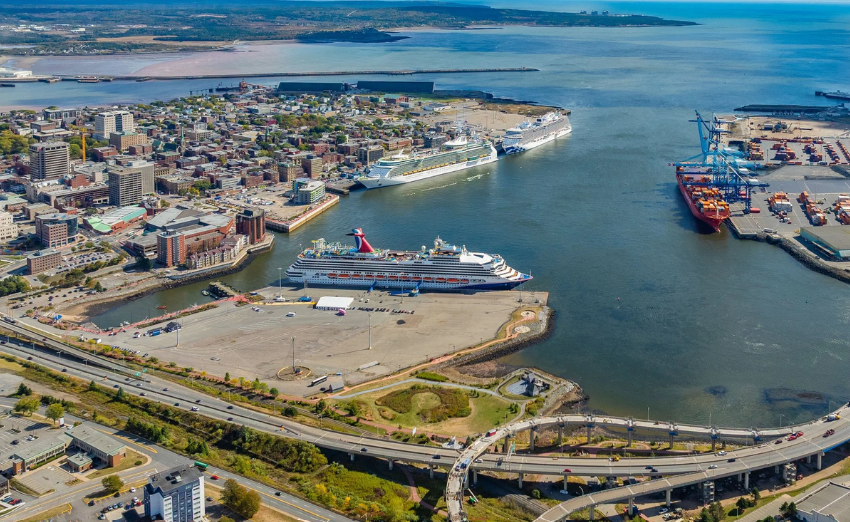
Ultimately, navigating the career opportunities generated by Port Saint John's record-breaking cargo throughput requires a strategic commitment to vocational training, supply chain education, and regional networking. As terminal modernizations, intermodal rail connections, and cold-storage facilities expand, candidates who secure specialized certifications, via institutions like NBCC Saint John and Eastern College, effectively bridge the gap to high-paying, stable careers. By combining targeted education with support from agencies like WorkingNB and YMCA Newcomer Connections, regional workers can successfully capitalize on New Brunswick's booming logistics sector.



Comments